



When Stump Grinding Isn't Enough
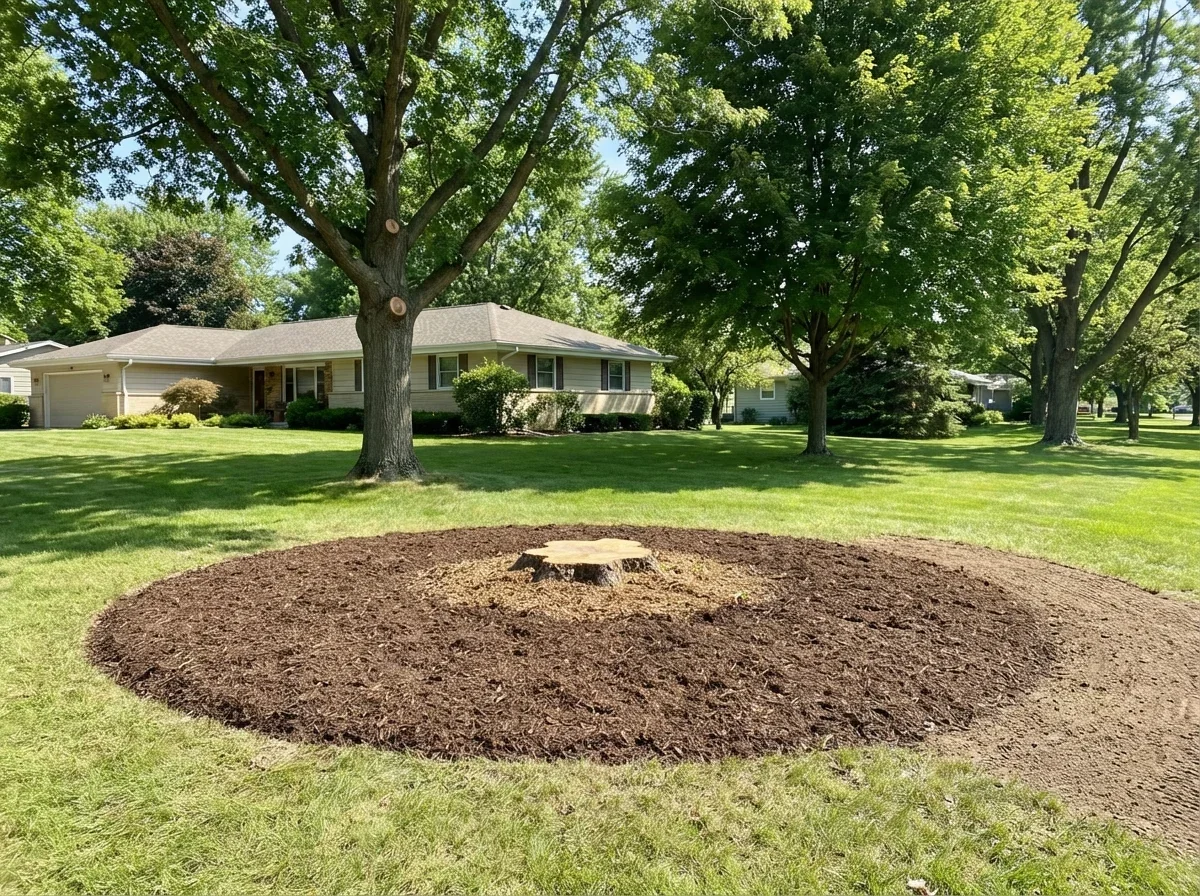
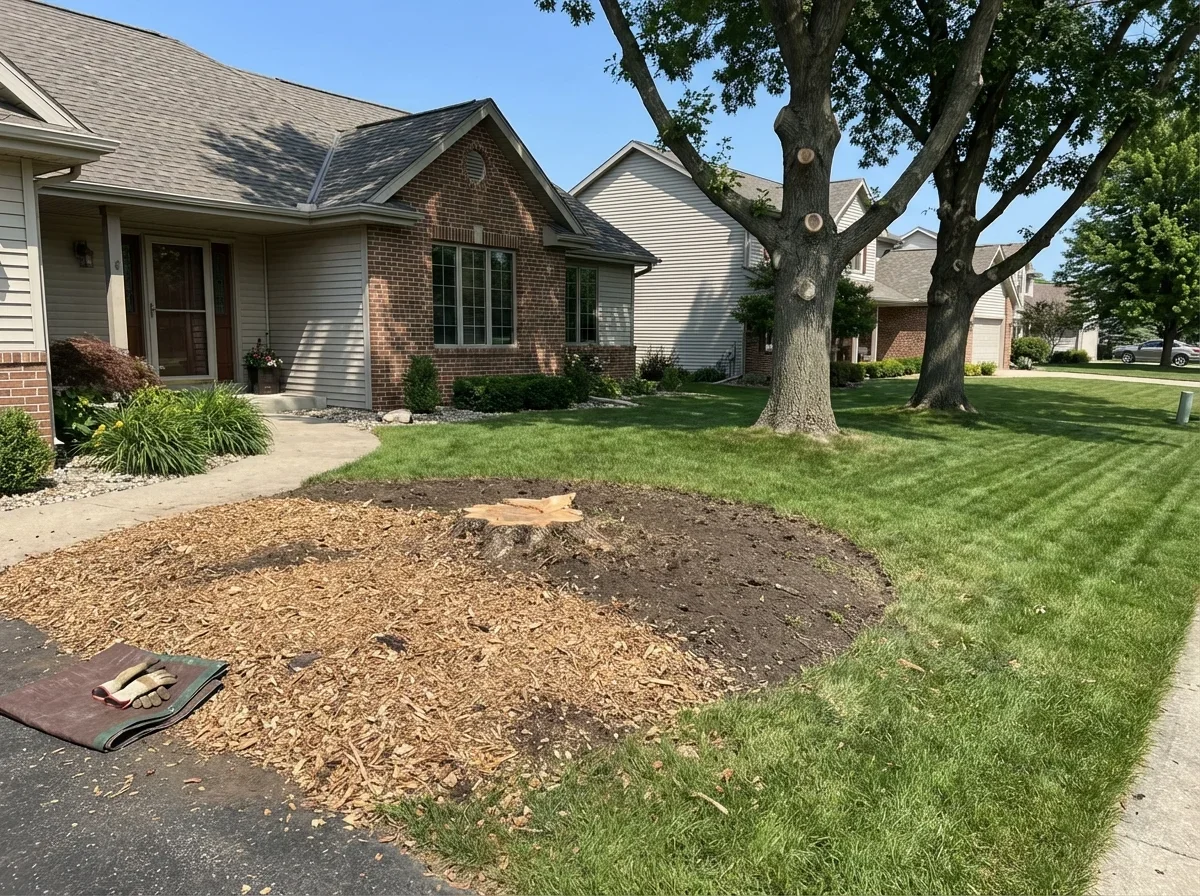
Grinding leaves the root ball underground. That works fine if you're laying sod or mulch over it. But if you're digging a footer, installing a pool, running utility lines, or replanting the same tree species in that spot, you'll hit roots. Big ones. Three feet down, four feet wide.
Contractors find out the hard way. The excavator hits a root mass where the foundation needs to go. Now you're paying for stump removal anyway, plus mobilization fees, plus project delays. In Appleton and Green Bay, this happens weekly on new construction sites.
If anything structural or deep is going where that tree stood, you need removal, not grinding.
The Root Ball Problem in Fox Valley Soil
Wisconsin clay holds moisture. Roots spread wide and shallow because they can't penetrate deep into compacted layers. A 24-inch diameter oak stump typically has a root ball 4-6 feet across and 2-3 feet deep. That root mass will rot slowly — 5 to 10 years — and the soil above it will settle as it decays.
If you're building on top of that, you'll get cracking, sinking, and structural movement. If you're replanting the same species, you risk transferring disease from old roots to new roots. Oak wilt doesn't die with the tree. It lives in the root system and spreads through root grafts to nearby oaks.
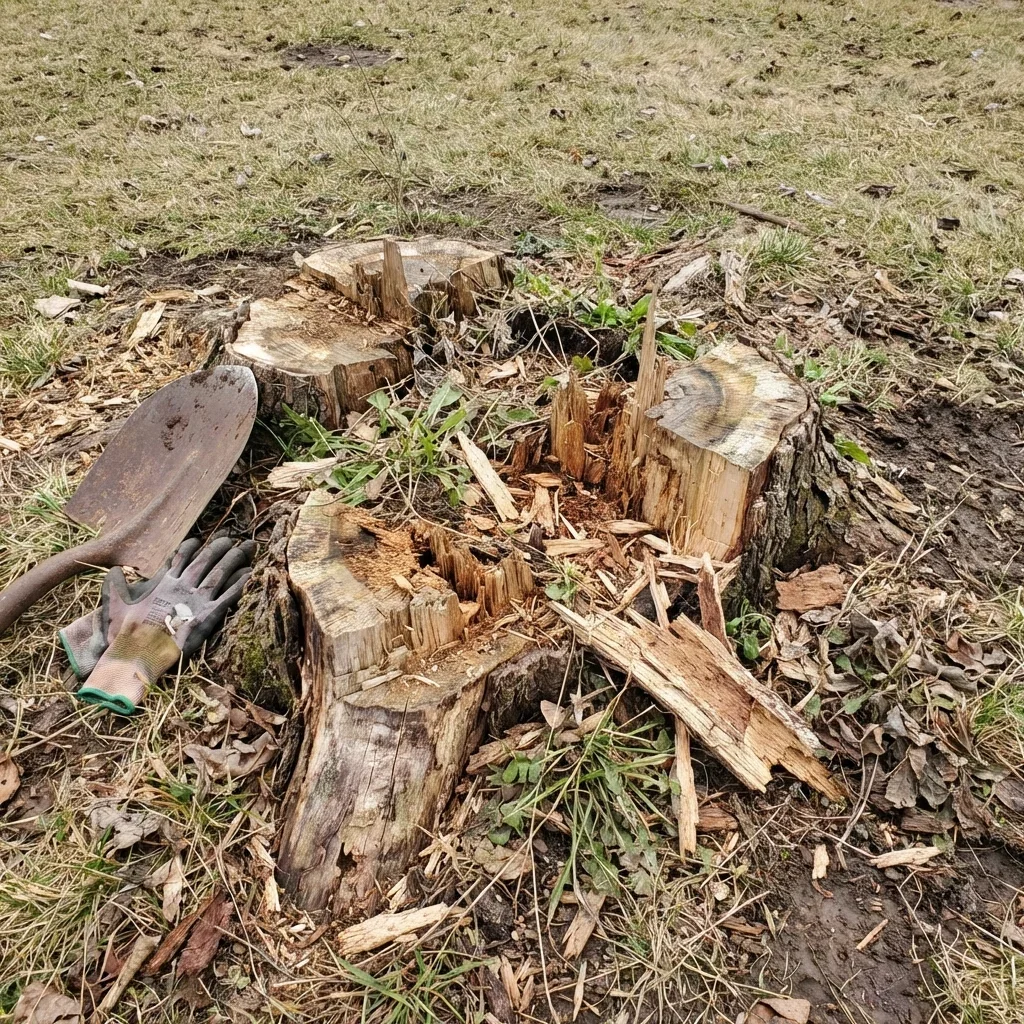
Here's what happens: You grind the stump flush. Plant new landscaping. Two years later, the area sinks 8 inches because the root ball underneath rotted out. Your retaining wall cracks. Your patio settles. Now you're excavating anyway — through hardscape you already paid for.
Removal costs more upfront. It eliminates problems later. That's the trade-off.
What Does Stump Removal Cost in the Fox Valley?
Complete stump removal in Appleton, Oshkosh, and surrounding areas runs $150 to $500+ depending on size, root spread, and access. Compare that to grinding at $100-$300, and the question becomes: are you paying now or paying twice?
| Stump Diameter | Typical Root Ball Width | Removal Cost | Grinding Cost |
|---|---|---|---|
| 12-18 inches | 3-4 feet | $150-$250 | $100-$150 |
| 20-30 inches | 5-6 feet | $250-$400 | $150-$225 |
| 32+ inches | 6-8 feet | $400-$650 | $225-$350 |
What Drives the Cost Up
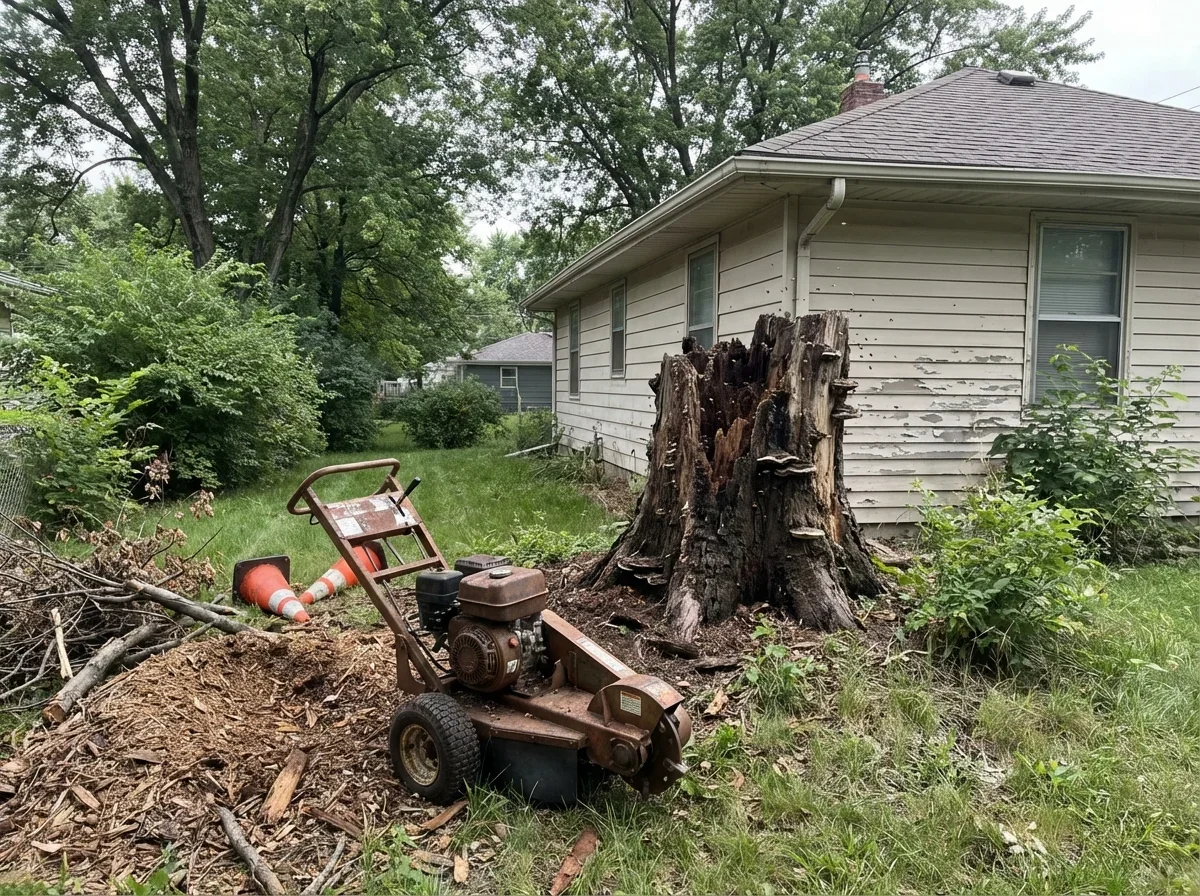
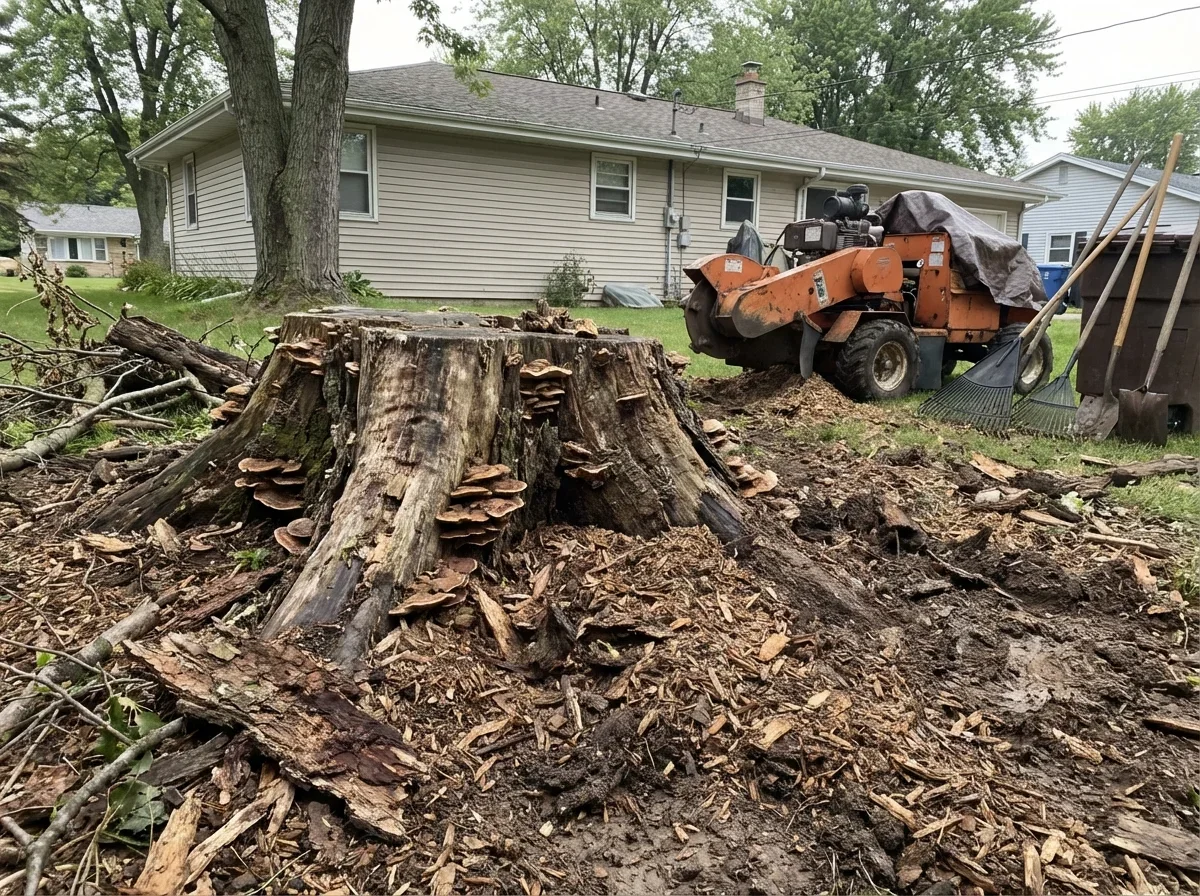
Equipment requirements. Small stumps under 18 inches can sometimes be extracted with a chain and a truck. Anything bigger needs an excavator or backhoe. Rental runs $300-$500 per day. If your contractor owns the equipment, you're paying for the depreciation and maintenance — but you're also getting someone who knows how to operate it without damaging your property, hitting utilities, or tearing up your lawn worse than necessary.
Access matters. If the excavator has to drive through your yard, across sprinkler lines, past the septic system, and around tight corners, mobilization time increases. Some Neenah and Menasha properties with narrow side yards require smaller equipment or hand-digging sections of the root ball before extraction — both add labor hours.
Root depth and clay soil composition. Fox Valley clay is dense. Roots don't go deep, but they lock into the soil hard. Extraction requires breaking the clay seal around the root ball, which takes hydraulic force and time. Sandy soil in some parts of Kaukauna makes this easier — clay near Green Bay makes it harder.
Site Restoration Costs
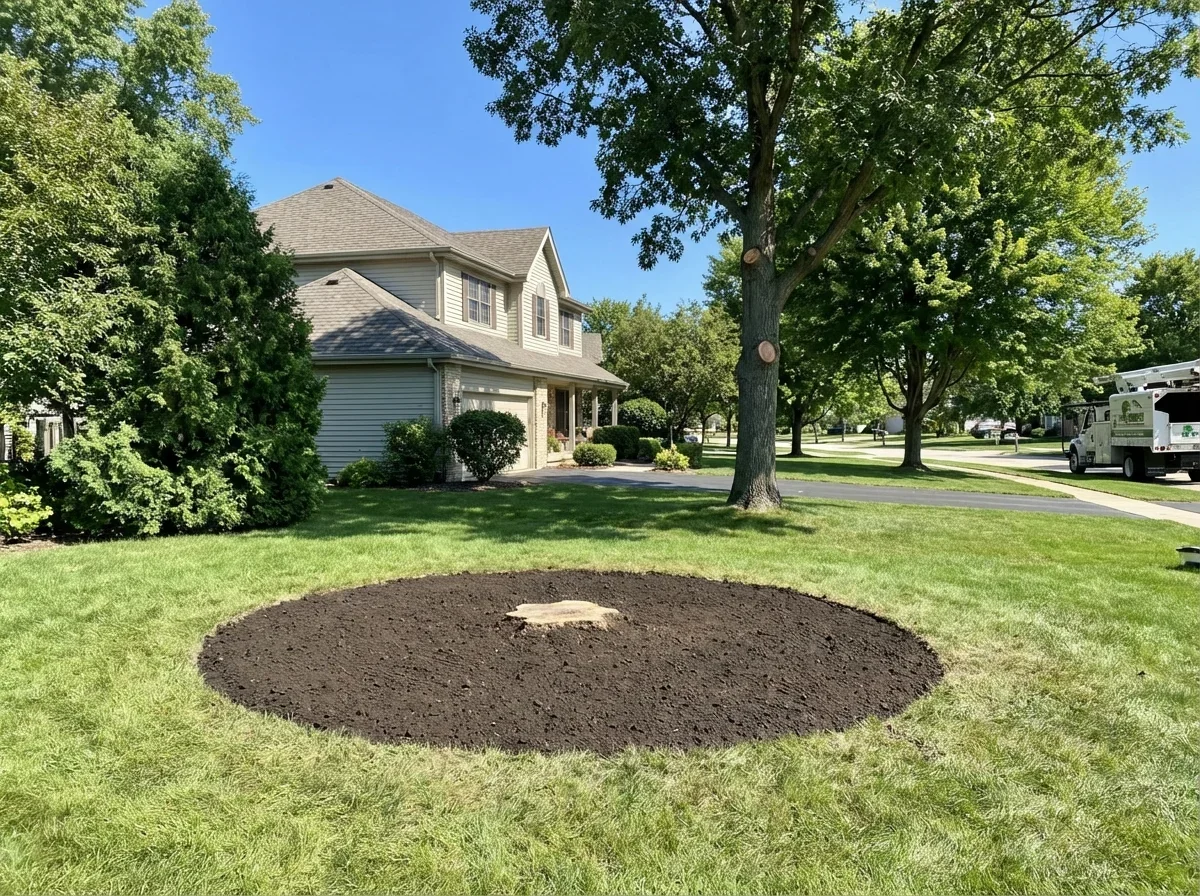
Removal leaves a hole. That hole needs to be filled 12-18 inches deeper than the original surface level because the backfill will settle over the first year. Most contractors include basic backfilling with excavated soil in the removal price. If you want topsoil, sod, or gravel fill, that's additional:
- Topsoil backfill: $50-$150 (depends on volume needed)
- Compacted gravel fill for construction: $75-$200
- Sod replacement: $1-$2 per square foot
Plan on settling. The hole will sink 4-6 inches over the first season as the backfill compacts and moisture redistributes through the clay. You'll need to add more topsoil and reseed or relay sod.
The Stump Removal Process
Complete extraction takes 2-6 hours depending on size and conditions. Here's what actually happens on-site.
1. Utility Locate and Site Assessment
Before anything gets dug, Diggers Hotline marks underground utilities — gas, electric, phone, cable, water, sewer. Wisconsin law requires this 48 hours before excavation. Your contractor should also ask about septic systems, drain tiles, and sprinkler lines that won't show up on utility maps.
Fox Valley properties built before 1980 often have drain tiles running 2-3 feet deep around foundations. These clay or perforated plastic pipes manage groundwater in our heavy soil. An excavator bucket can crush them without anyone noticing — until your basement floods next spring.
2. Excavation Around the Root Ball
The operator digs a trench around the stump 2-3 feet deep and wide enough to expose major lateral roots. In Appleton clay, this means breaking through compacted layers methodically. Rushing it risks ripping up more lawn than necessary or snapping roots unpredictably, which can cause sudden equipment movement.
As roots are exposed, they're cut with the excavator bucket edge, chainsaw, or reciprocating saw. Roots thicker than 4 inches need clean cuts to prevent tearing and to allow controlled extraction angles.
3. Root Ball Extraction
Once the major roots are severed, the excavator bucket goes under the stump and lifts. If the root ball is locked into clay, this can take multiple attempts from different angles. The goal is to lift the entire mass intact — a 30-inch oak stump with root ball can weigh 800-1200 pounds.
The removed stump and root ball get placed in a truck or trailer for disposal. Some contractors chip the wood on-site if you want the mulch. Most haul it off to a yard waste facility.
4. Backfilling and Grading
The hole gets backfilled with the excavated soil, tamped down in layers to minimize future settling. The contractor grades the area to match surrounding terrain and prevent standing water. If you're building on the site, they may leave the hole open for the foundation contractor to inspect and compact to engineering specs.
Expect the area to settle. Mark the spot and plan to add 4-6 inches of topsoil the following spring after freeze-thaw cycles finish compacting the fill.
How to Choose a Stump Removal Contractor
This is excavation work. Equipment can cause real damage — to your property, to underground utilities, to the operator. You want someone who owns their equipment, has done this hundreds of times, and carries proper insurance.
Questions to Ask Before Hiring
"Do you own the excavation equipment or rent it?" Contractors who own equipment have the experience to operate it efficiently and the maintenance history to ensure it's reliable. Rental equipment means they're learning on your property or passing rental costs directly to you.
"What's included in the price — just extraction, or backfill and grading too?" Some quotes cover pulling the stump and nothing else. You're left with a hole and a pile of dirt. Get clarity on what "removal" includes.
"How do you handle settling and property restoration?" The backfill will settle. A good contractor explains this upfront and either includes a follow-up visit or tells you exactly what to expect so you can handle it yourself.
"What insurance do you carry, and can I see the certificate?" General liability should cover property damage. Workers comp protects you if someone gets hurt on your property. Operating an excavator near homes, utilities, and septic systems without proper insurance is reckless — and leaves you liable if something goes wrong.
Red Flags in Fox Valley Stump Removal
Quotes that are way under market rate usually mean rental equipment, no insurance, or a contractor who'll pull the stump and leave your yard torn up. Oshkosh and Menasha properties often have tight access and underground obstacles — low-budget operators cause expensive secondary damage.
Contractors who don't ask about utilities, drain tiles, or septic systems aren't thinking ahead. One crushed drain tile costs $1500-$3000 to excavate and replace. A severed gas line shuts down your block and brings emergency response fees.
Choose experience over price. The Fox Valley has dozens of qualified arborists and excavation contractors who do this work correctly. You're comparing professionals who understand Wisconsin clay, local building codes, and seasonal settling — not just someone with a backhoe and a weekend.
Frequently Asked Questions
Avoiding these five common mistakes will save time, money, and safety risks:
Attempting DIY removal without proper experience or equipment — Stump grinders are powerful, dangerous machines; improper use causes serious injury. Renting without training or attempting hand-removal of large stumps leads to back injuries, equipment damage, or incomplete removal. Hire a licensed arborist or tree service.
Choosing the wrong removal method — Epsom salt works for small stumps but takes weeks; grinding is fastest; burning is illegal in many areas and risky; digging by hand is exhausting. Match the method to stump size, budget, and timeline.
Failing to consider the root system — Removing the stump alone leaves roots that continue to decay, sprout, or damage foundations. Professional services should include root extraction or treatment to prevent future problems.
Neglecting safety precautions — No eye/ear protection, loose clothing, standing in the wrong spot near equipment, or working alone increases accident risk. Always wear safety gear and have a second person present.
Ignoring the aftermath — Leaving wood chips, debris, or holes unfilled creates additional hazards and unsightly conditions. Request site cleanup, backfill, and grading as part of the service.
Best practice: Hire a licensed ISA-certified arborist or established tree service company to handle removal safely and thoroughly.
Related Articles
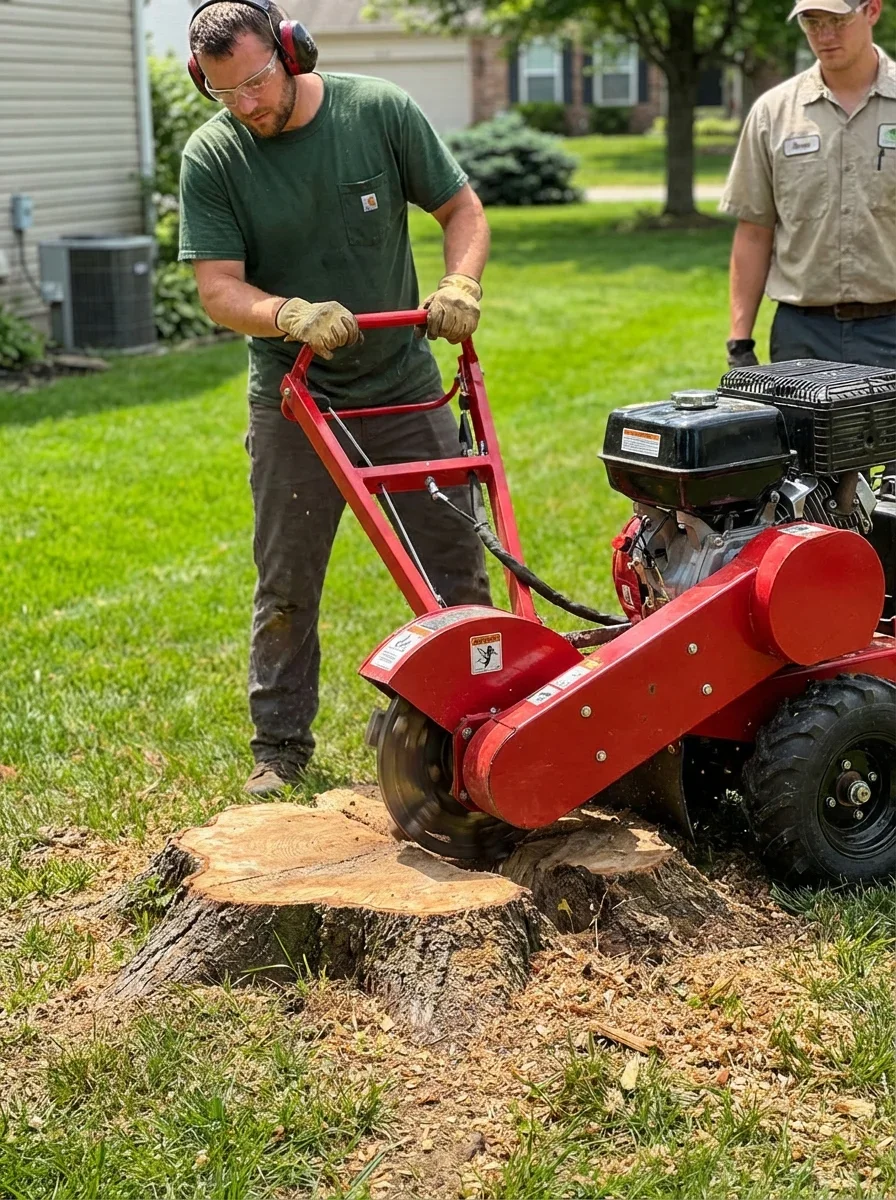
Stump Grinding Cost (2026 Pricing)
Read Cost GuideStump Grinding vs Stump Removal: Which Method is Right for Your Yard?
Read Guide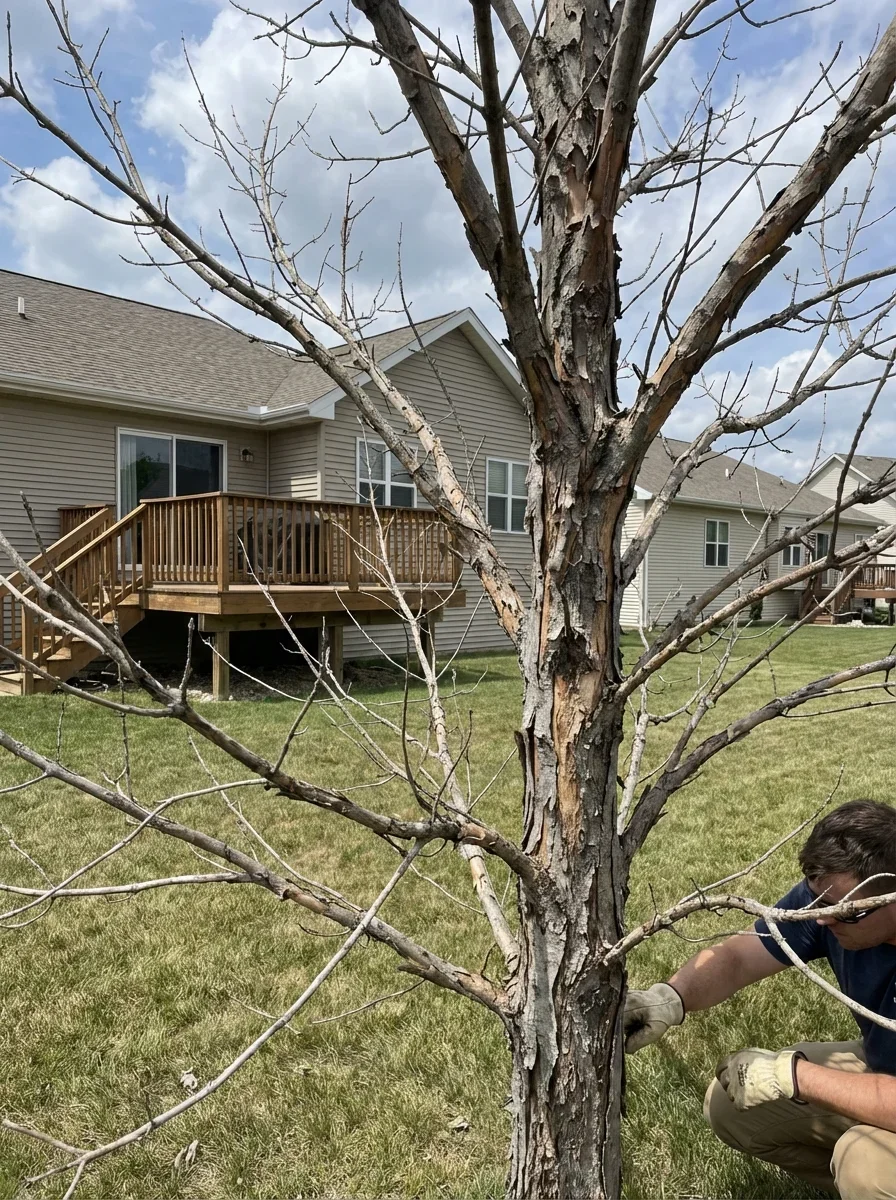
Dead Tree in Yard - What to Do
Read ProblemStump Grinding vs Stump Removal: Which Method is Right for Your Yard?
Read GuideWhen to Remove a Tree: Signs It's Time vs. When You Can Wait
Read Guide