


What Is Crown Reduction?
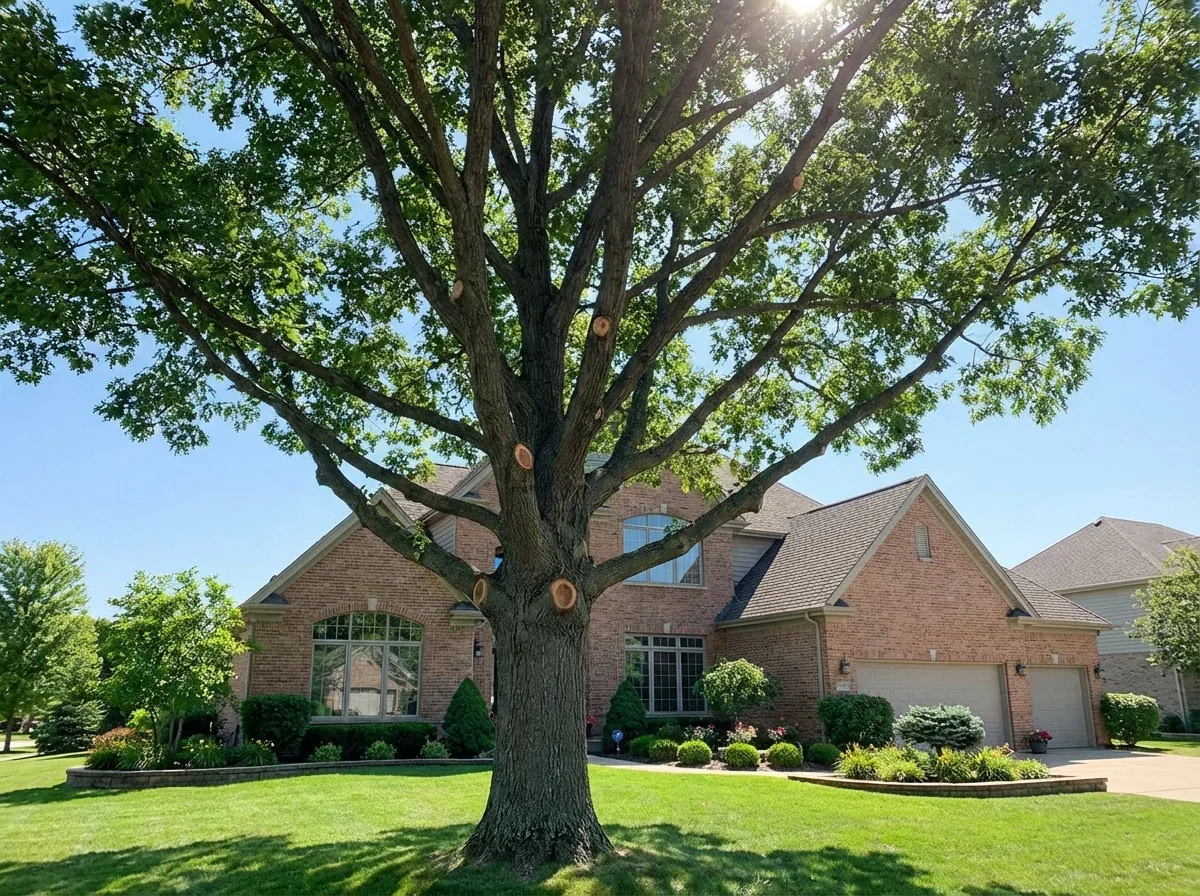
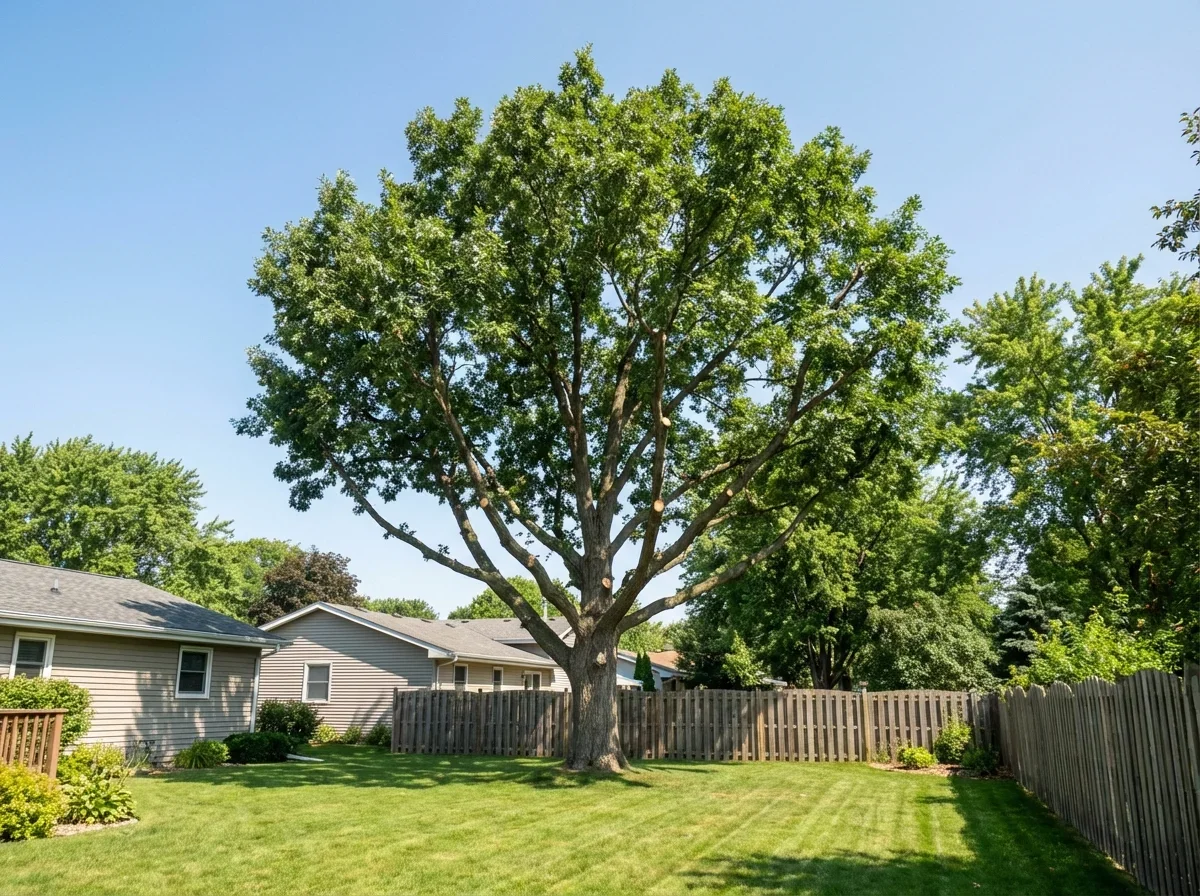
Crown reduction is selective pruning that reduces a tree's height and spread by cutting back to lateral branches. Done correctly, it maintains the tree's natural form and doesn't trigger the defensive decay response that kills topped trees.
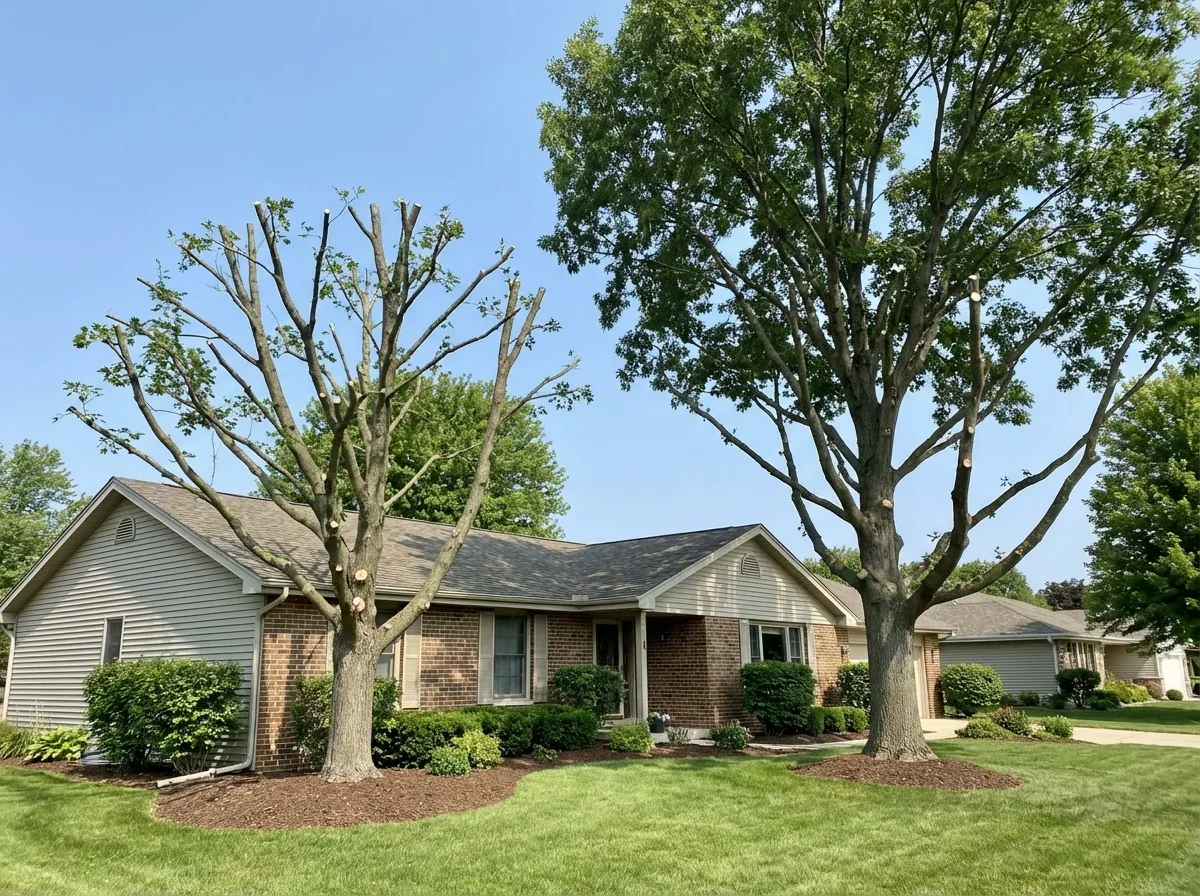
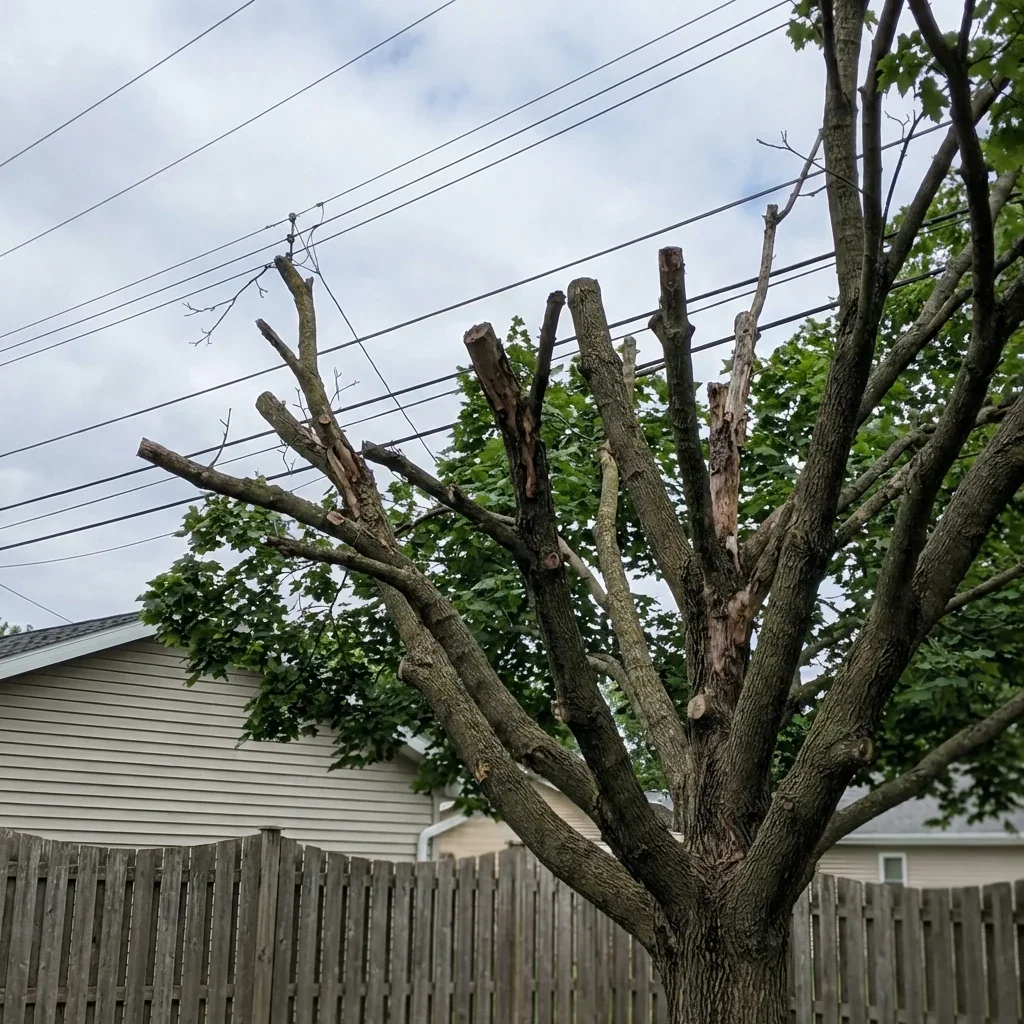
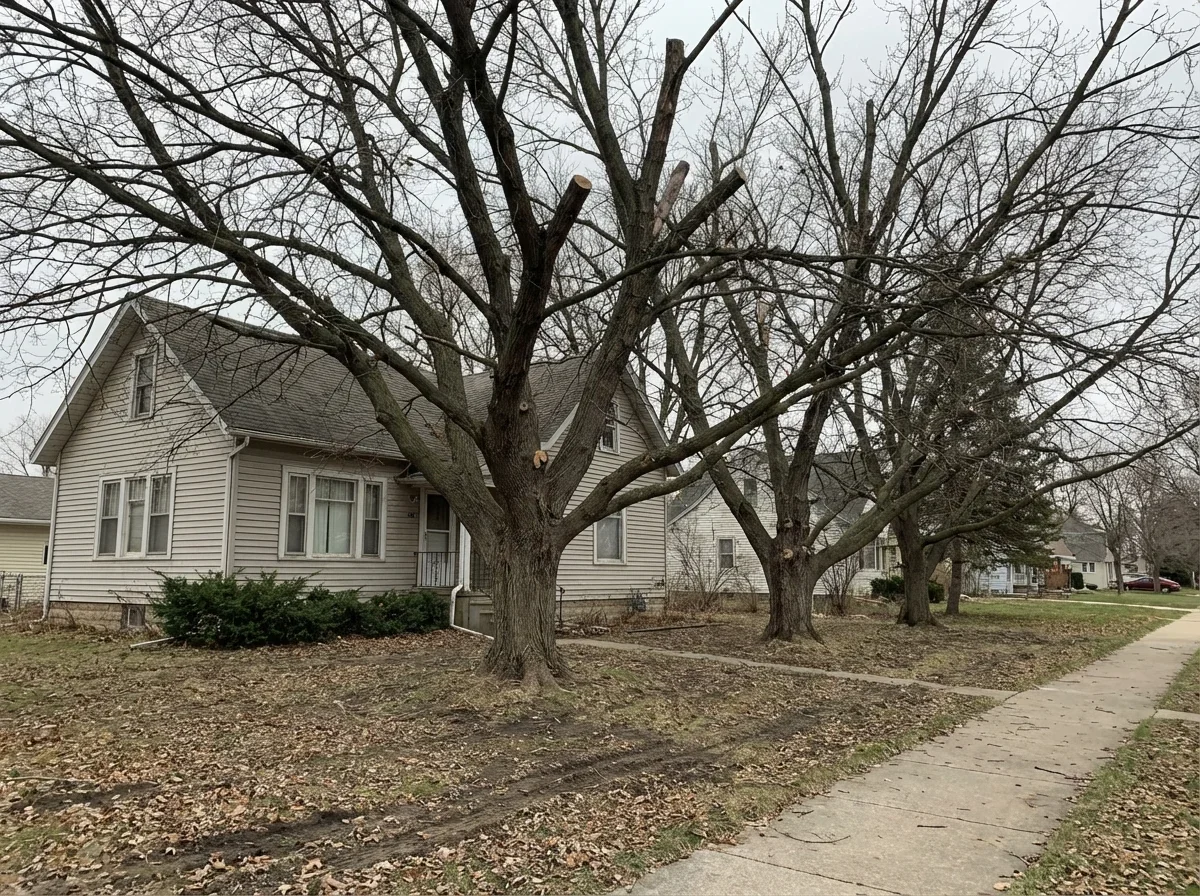
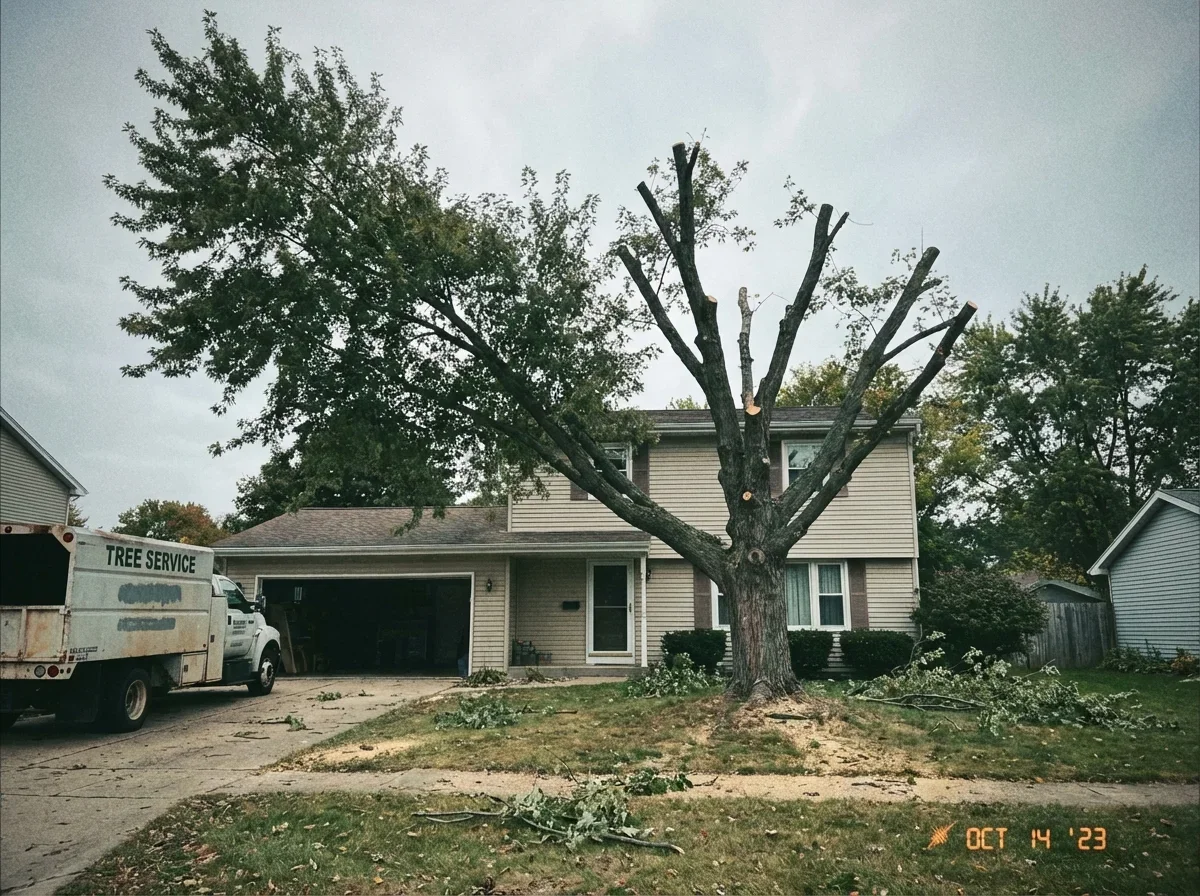
This is not topping. Topping — cutting straight across the crown — is tree mutilation. It removes the protective branch collar, exposes heartwood to decay, and forces the tree to send up weak, fast-growing shoots that break in storms. A topped tree is a dying tree, and it becomes more dangerous every year.
True crown reduction uses the drop-crotch method: each cut removes a branch back to a lateral branch that's at least one-third the diameter of what's being removed. The tree heals properly. The crown stays balanced. The structure remains sound.
Crown Reduction vs Tree Topping
| Crown Reduction | Tree Topping |
|---|---|
| Cuts to lateral branches | Cuts through main stem |
| Maintains natural shape | Creates unnatural stubs |
| Tree heals properly | Exposes wood to decay |
| Preserves structure | Weakens entire tree |
| Reduces by 10-25% | Often removes 50%+ |
| Done by arborists | Done by hacks |
Homeowners in Appleton and Oshkosh lose mature trees every year because someone with a chainsaw convinced them that topping was "easier" or "cheaper." It's neither. You pay to kill your tree, then pay again to remove the hazardous decay it becomes.
When Crown Reduction Is the Right Choice
Power line clearance. Wisconsin requires 25 feet of clearance around distribution lines. If your tree has grown into that zone, reduction is often the only alternative to removal — but utility companies will top without hesitation if you don't hire your own arborist first.
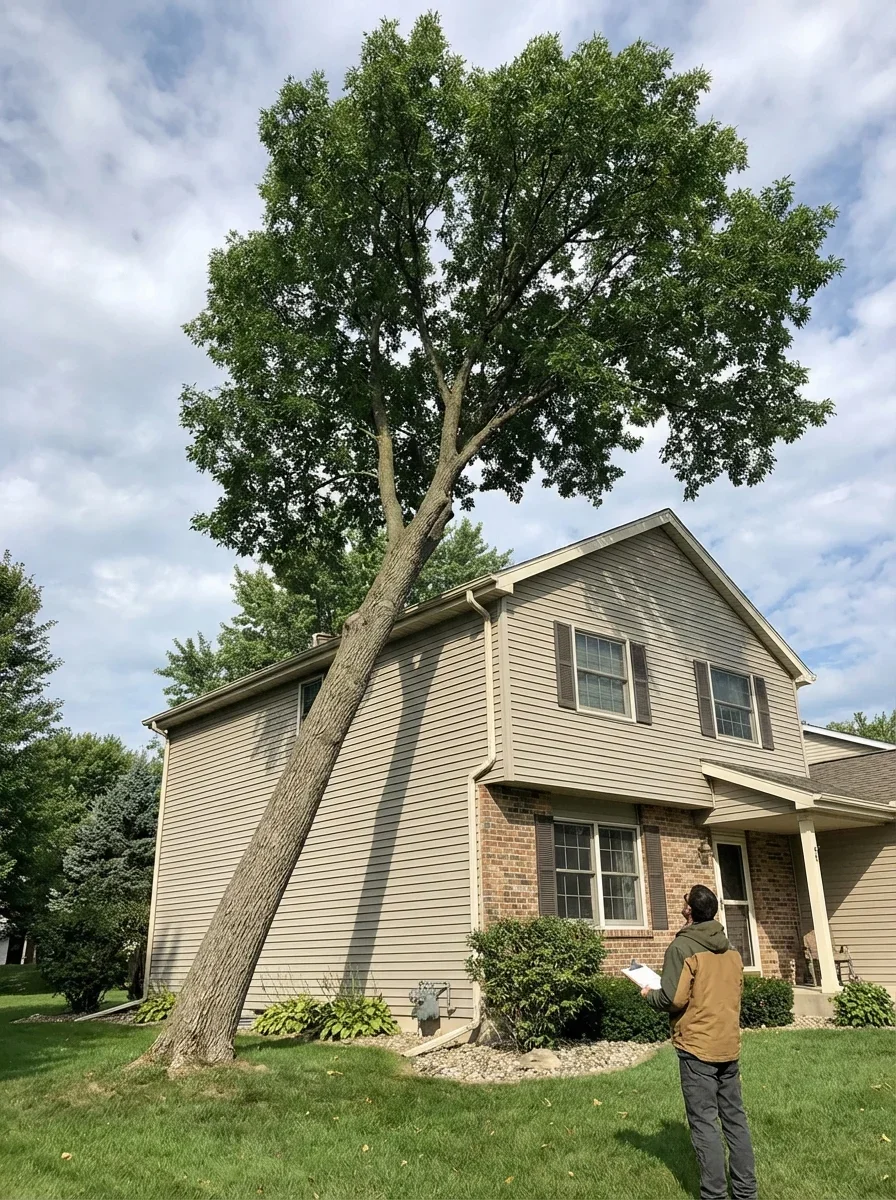
Structure proximity is the second big driver. A crown overhanging your roof in Green Bay isn't just dropping leaves — it's holding moisture against shingles, providing rodent access, and waiting for an ice storm to send a branch through your bedroom.
Storm damage creates unbalanced crowns. After limb loss, the remaining crown catches wind differently. Reducing the intact side restores balance and reduces future failure risk.
Declining tree health sometimes requires crown reduction to match the root system's capacity. If a tree is losing roots to construction damage or disease, reducing the crown decreases water demand and helps the tree survive.
The wrong cut kills the tree. That's not contractor opinion — it's tree biology. Every cut larger than 2 inches creates a wound the tree must seal. Cut in the wrong place, and you've opened the door to decades of decay.
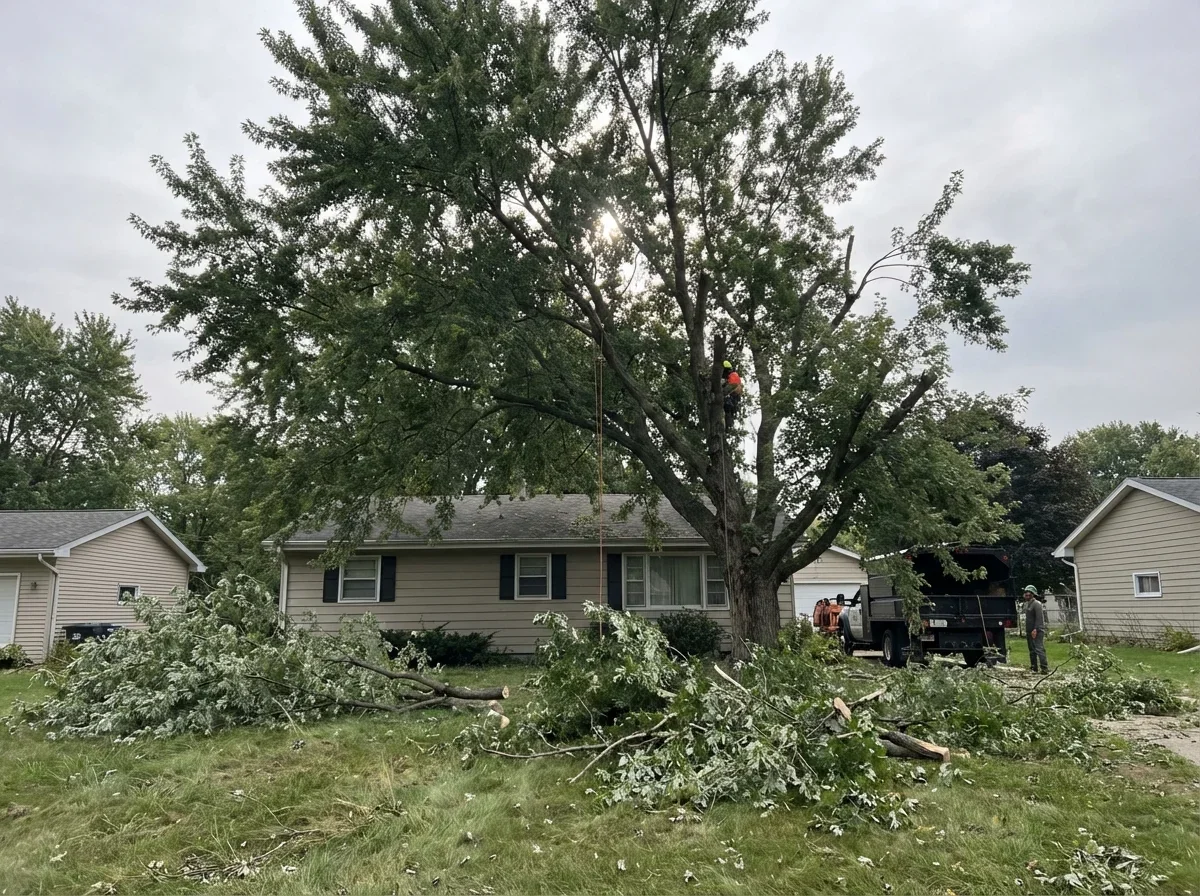
What Does Crown Reduction Cost in the Fox Valley?
Crown reduction pricing reflects the technical skill required to make dozens of correct cuts while maintaining tree balance. In the Neenah and Menasha area, expect to pay $400 to $1,500+ for residential trees, with large specimens or difficult access pushing costs higher.
| Tree Height | Typical Cost | Timeline |
|---|---|---|
| Under 30 feet | $400-$700 | Half day |
| 30-50 feet | $700-$1,200 | Full day |
| 50-70 feet | $1,200-$2,000 | 1-2 days |
| 70+ feet | $2,000-$4,000+ | 2-3 days |
These ranges assume straightforward access and standard reduction (15-20% height decrease). The actual number depends on factors specific to your property.
Pricing Factors by Tree Size and Species
Species matters more than most homeowners realize. Oaks and maples have dense wood and require more cuts to achieve the same reduction compared to softer species like silver maple or willow. A 50-foot oak in Kaukauna takes twice the labor of a 50-foot ash — and Wisconsin has a lot of oaks.
Diameter drives cost exponentially. A tree with an 18-inch trunk might have a dozen significant branches to reduce. A 36-inch trunk has fifty. Rope work, rigging, and cut planning multiply with crown complexity.
Crown density affects the number of cuts needed. A poorly maintained tree with crossing branches and co-dominant stems requires structural correction along with reduction — you're not just making the tree shorter, you're making it safer.
Additional Cost Considerations
Proximity to structures or power lines increases cost by 30-50%. Every piece must be rigged and lowered — no free drops. Work near active lines requires specialized training and sometimes utility coordination.
Access challenges add expense. If equipment can't reach the tree, everything gets carried. Bucket truck access saves hours compared to pure climbing work.
Disposal is typically included up to a point. Brush chipping is standard, but if you want the wood cut and stacked for firewood, expect an additional $100-$300 depending on volume.
Stump grinding isn't part of crown reduction — the tree is staying. But if reduction is a temporary measure for a tree you'll eventually remove, some Appleton arborists offer package pricing for staged work.
Permits are rarely required for pruning on private property, but if the tree is in a local historic district or protected species, verify first. Green Bay and Appleton have heritage tree ordinances that apply to exceptional specimens.
The cheapest bid is usually someone who will top your tree. If a quote seems too good, ask specifically: "Will you be cutting back to lateral branches or cutting through the main stem?" The answer tells you everything.
The Crown Reduction Process
Professional crown reduction is systematic, not random. An ISA-certified arborist doesn't just climb up and start cutting — every major cut is planned before the saw starts.
Assessment and Planning
The arborist evaluates crown structure from the ground first. Which branches provide the best reduction points? Where are the natural laterals large enough to become new leaders? What's the current lean, and how will reduction affect balance?
Target reduction is typically 15-20% of height — enough to achieve clearance goals without shocking the tree. Removing more than 25% in one season stresses even healthy trees. If you need dramatic reduction, it's staged over 2-3 years.
Species-specific growth patterns guide the plan. Oaks compartmentalize decay aggressively but grow slowly — cuts must be precise. Maples tolerate heavier pruning but seal wounds less effectively. Ash and elm have different structural considerations entirely.
The work plan identifies rigging points, drop zones, and the sequence of cuts. Large crown reduction is done from the top down, removing weight progressively so lower branches aren't overloaded as rigging points.
Selective Pruning Technique
Each reduction cut follows the drop-crotch principle: remove the terminal leader back to a lateral branch that's at least one-third the diameter of what's being cut. That lateral becomes the new leader and takes over apical dominance.
The cut is made just outside the branch collar — the swollen area where the lateral meets the parent stem. Cut too close and you damage the tree's natural protection zone. Cut too far and you leave a stub that decays.
Crown balance is maintained throughout. If the south side needs five feet of reduction, the north side gets proportional work. An unbalanced crown catches wind asymmetrically and creates torsional stress on the trunk.
Thinning cuts often accompany reduction. Removing interior crossing branches and water sprouts improves light penetration and air flow, reducing future disease pressure and storm damage risk.
Post-Reduction Care
No wound dressing. Modern arboriculture has proven that paint and tar slow healing rather than help it. The tree's natural callus formation is faster and more effective when left alone.
Watering matters more after crown reduction. You've removed photosynthetic capacity — leaves — while root demand stays the same initially. Deep watering during dry periods for the first growing season helps the tree adjust.
Inspection after major storms is smart for the first two years. While proper reduction doesn't create weak growth like topping does, the tree is re-establishing branch dominance patterns. A quick check ensures no unexpected issues.
Follow-up pruning happens in 3-5 years typically. As the tree responds to reduction, minor corrective cuts maintain the structure you paid to create.
How to Choose a Crown Reduction Arborist
The person you hire will be making permanent decisions about your tree's structure. A topped tree can't be un-topped. Choose carefully.
ISA certification is non-negotiable. The International Society of Arboriculture Certified Arborist credential means the person has demonstrated knowledge of tree biology, pruning standards, and safety protocols. It's not a guarantee of perfect work, but it's proof of baseline competence. Anyone offering tree work without it is gambling with your property.
Liability insurance and workers comp aren't optional. Crown reduction is dangerous work. If someone falls from your tree or a branch hits your house, you need to know their insurance covers it — not yours. Ask for certificates and verify them with the insurer directly. Contractors lie.
Essential Certifications and Insurance
Beyond basic ISA certification, look for the Tree Risk Assessment Qualification (TRAQ). Crown reduction often addresses hazard trees, and proper risk evaluation determines whether reduction is even appropriate or if removal is the safer choice.
Electrical Hazard Awareness training matters for any work near power lines. Wisconsin has apprenticeship requirements for tree work near conductors — verify your contractor meets them if lines are involved.
Business longevity suggests reputation matters to them. A company that's been serving Oshkosh or Menasha for ten years has something to lose. The guy with a new LLC and a borrowed chipper does not.
Questions to Ask Before Hiring
"Will you be making drop-crotch cuts to lateral branches?" If they don't know what that means, walk away. If they say "we'll take it down to a manageable height," that's topping language — run.
"What percentage reduction are you proposing?" The answer should be specific and under 25%. "We'll cut it back as far as you want" is a red flag.
"Can you show me photos of reduction work you've completed 2-3 years ago?" Current work looks fine even if it's wrong. You want to see how trees responded to their pruning over time.
"What happens if the tree declines after your work?" Responsible arborists stand behind their pruning decisions. They won't guarantee a tree won't die — too many variables — but they should discuss follow-up and their approach to warranty concerns.
Ask for references on similar-sized trees of the same species. Someone who's great with 30-foot maples might be in over their head on a 70-foot oak. Species-specific experience matters.
Get three quotes, but understand you're not comparing the same product if one bid is half the others. You might be comparing proper crown reduction to disguised topping. The detailed proposal that explains the approach and cuts planned is worth more than the vague "reduce oak tree" line item, even if it costs more.
The directory listings on this site show ISA-certified arborists serving the Fox Valley. When you're comparing contractors, you're comparing their approach to your specific tree, their experience with your species, and whether their answers match what proper crown reduction actually requires.
Frequently Asked Questions
Crown thinning and crown reduction are two distinct pruning techniques used to improve tree structure and health, but they serve different purposes.
| Technique | Purpose | Method | Result |
|---|---|---|---|
| Crown Thinning | Increase light and air penetration | Remove inward-facing, crossing, rubbing, and dead branches | Maintains original crown shape and size; improves canopy density |
| Crown Reduction | Reduce tree height and spread | Remove outer branch tips and lateral limbs from the crown's perimeter | Decreases overall crown volume; reshapes the tree |
Crown Thinning selectively removes branches within the existing canopy to allow more light and air circulation. This improves tree health, reduces wind resistance, and enhances appearance without dramatically changing the tree's size or shape.
Crown Reduction actively decreases the height and width of the crown by cutting back outer branches. This is used when trees have grown too large for their space, have structural weakness, or pose clearance issues near buildings or utilities.
Both techniques should be performed by certified arborists to ensure proper cuts that promote healing and maintain tree structure.
Related Articles
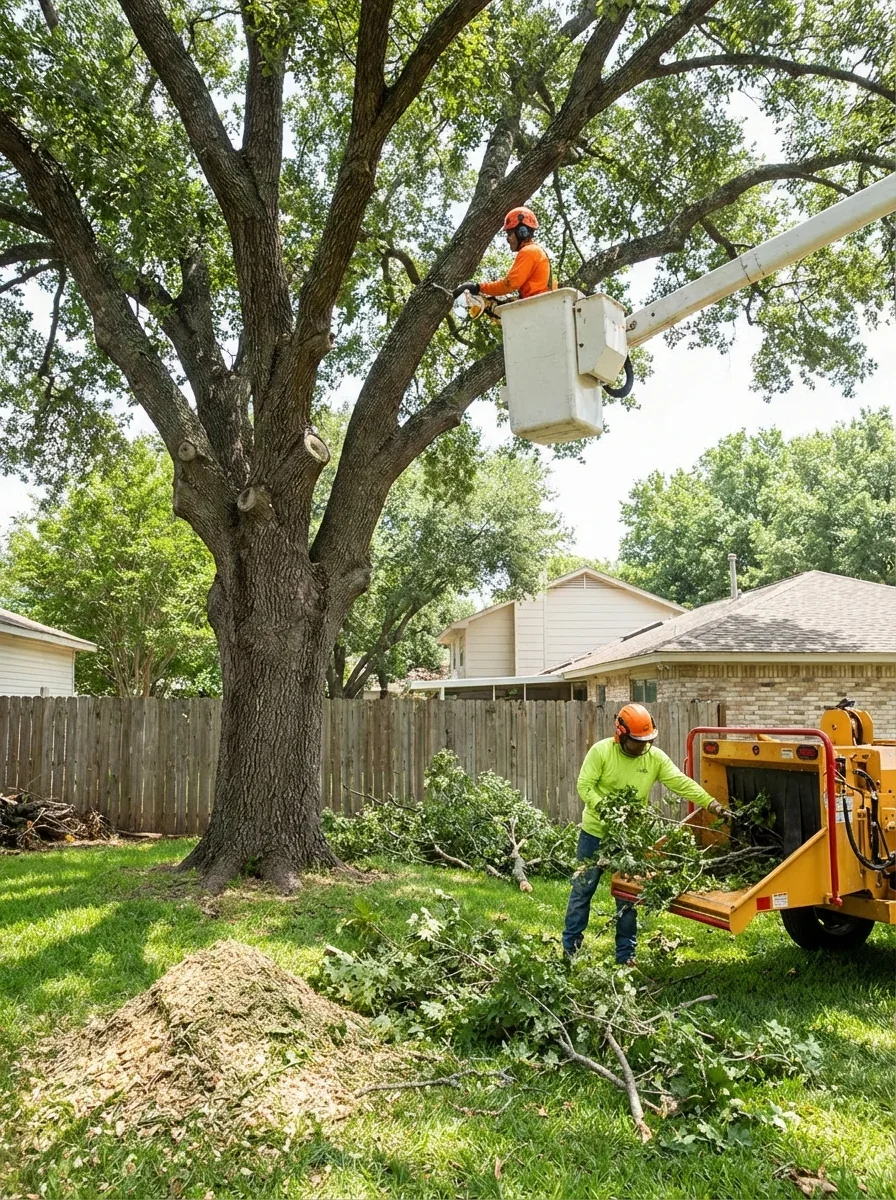
Tree Trimming Cost (2026 Guide)
Read Cost Guide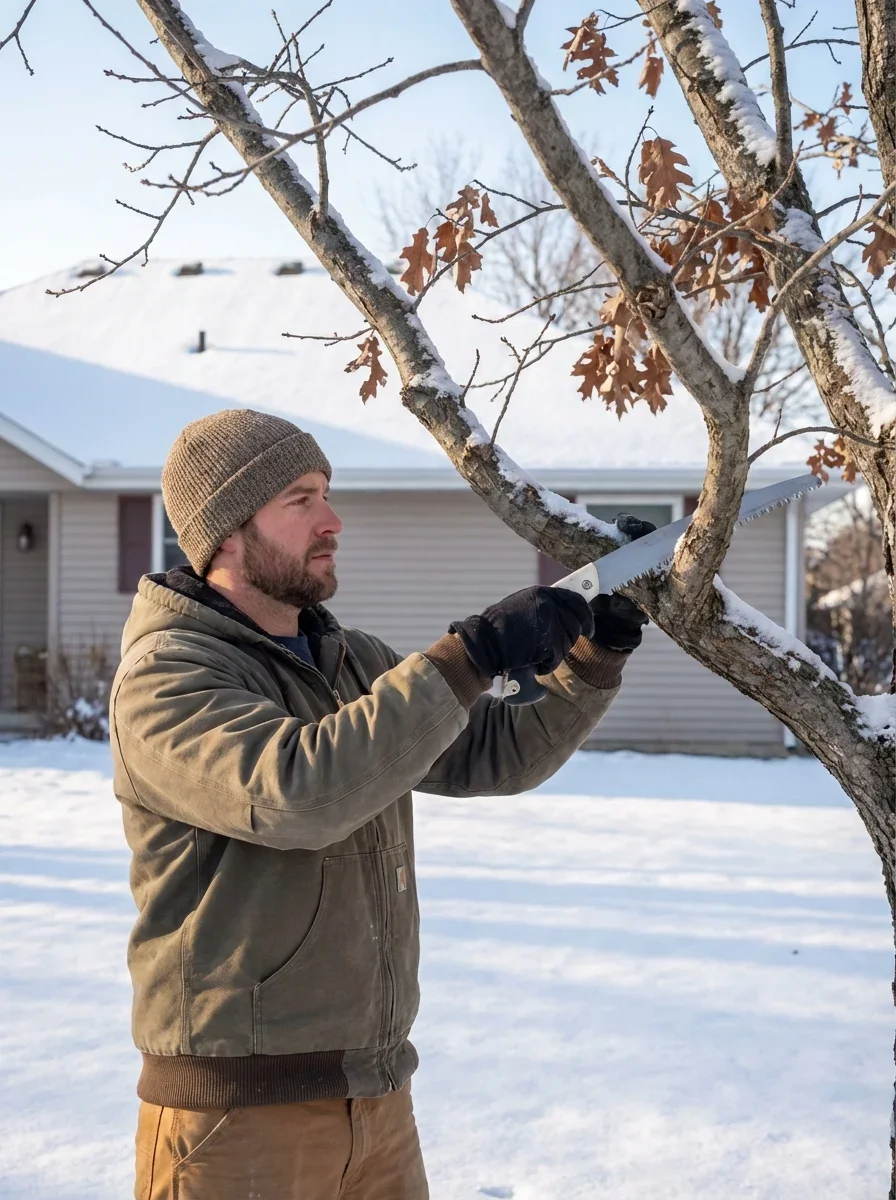
When to Prune Trees in Wisconsin
Read Guide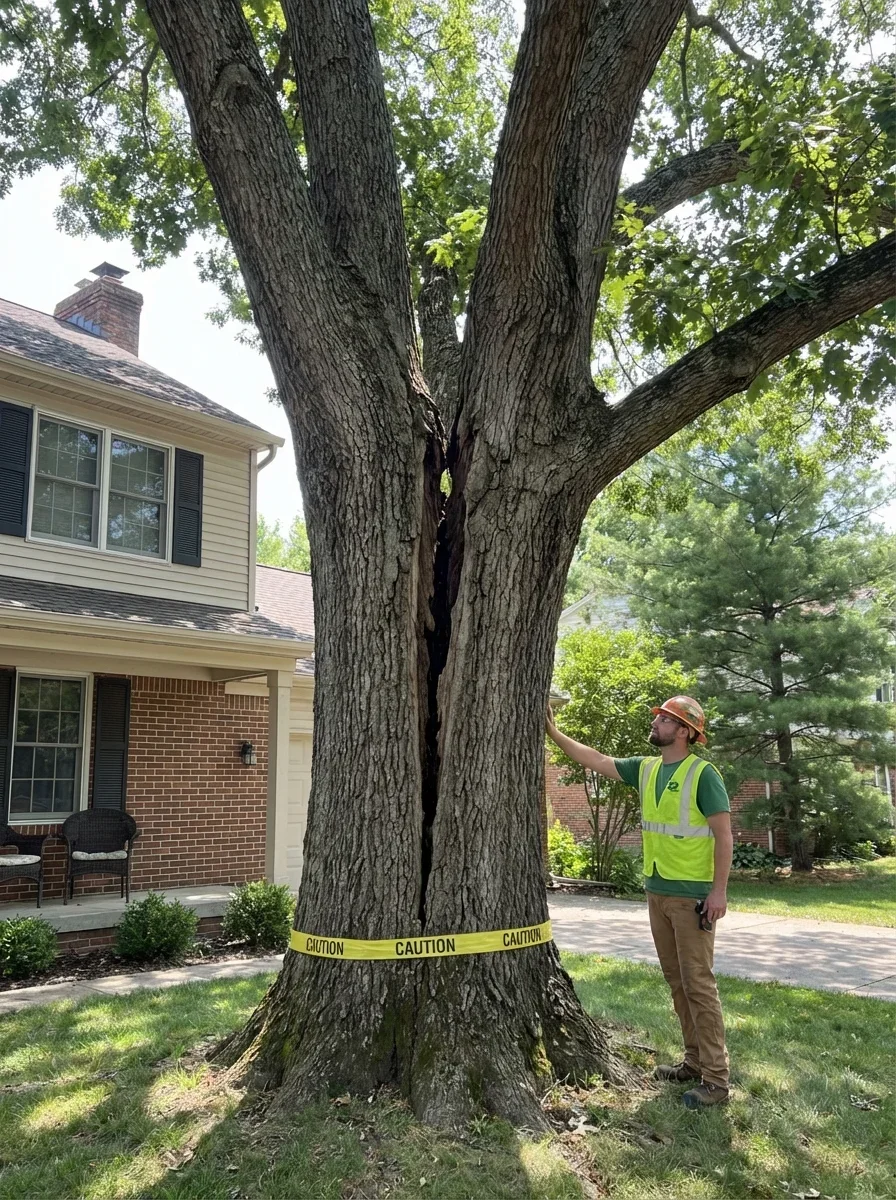
Hazardous Tree - Signs & What to Do
Read ProblemDIY Tree Trimming vs Hiring a Professional: When to Call an Arborist
Read Guide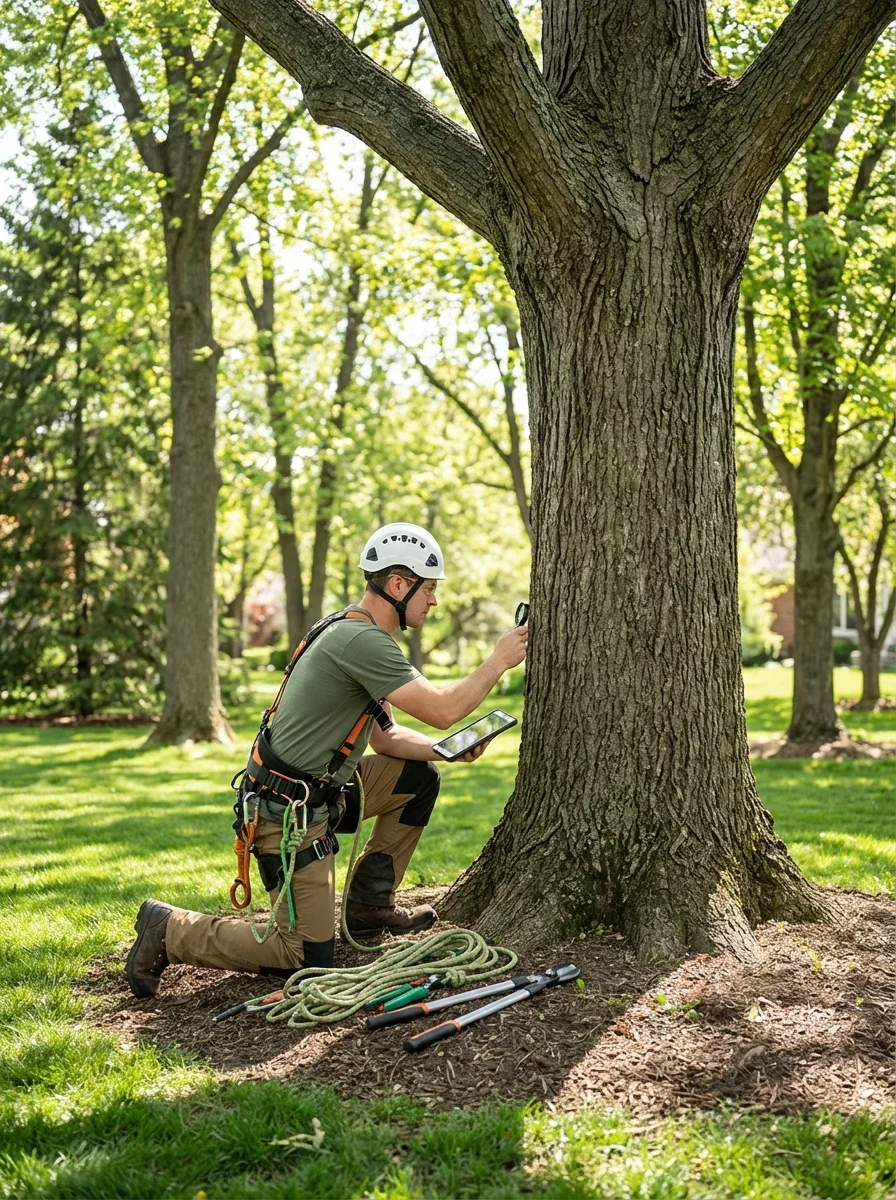
How to Hire an Arborist (Checklist)
Read Guide